

Plumbing Services
Water heating is the biggest gas line in a California home. Get that right and you have moved more money than most people move with windows.
Learn more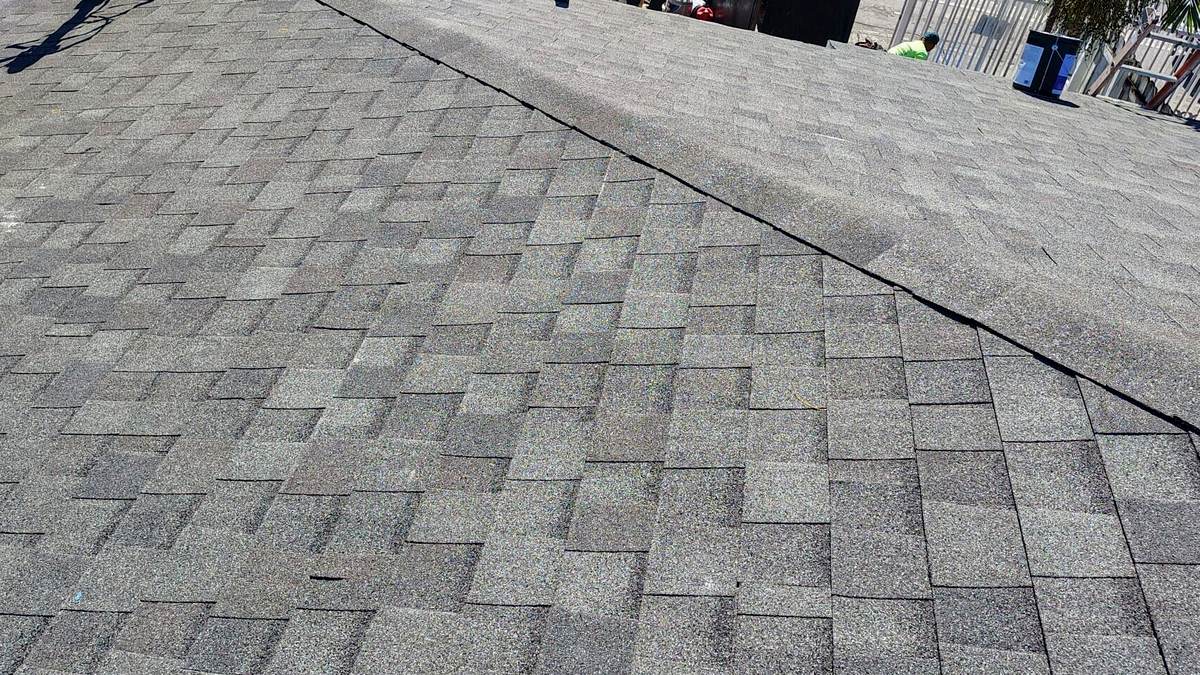
A dark roof in the Valley loads to well over 150°F on an August afternoon and then spends the evening pushing that heat down into the attic. Reflectance is the difference between a roof that stores the day and one that sheds it. Los Angeles already requires a reflective surface on most residential reroofs, so the real decision is not whether to buy a cool roof, it is whether to hit the minimum or go a tier higher. That choice is usually a small material difference and it triples the rebate, so we price both.
Reflect the heat before it ever reaches the attic. This is the half of the job you can see, and the insulation underneath it is the half you cannot.
A cool roof can run 50 to 60°F cooler at the surface on a hot afternoon than conventional roofing, and cuts peak cooling demand by roughly 11 to 27%.
A measured Central California study of a cool tile roof on a single-family home found 26% lower annual cooling energy, 37% lower peak-hour demand, and a roof surface 25°F cooler at peak. It also found a small heating benefit in winter rather than a penalty.
LADWP pays $0.20 to $0.60 per square foot on qualifying cool roofs. Low-slope roofs need an SRI of 78 for the lower tier and 85 for the higher, steep-slope roofs need SRI 20 and 35.
The Los Angeles Green Building Code already requires a three-year aged solar reflectance of 0.65 and an SRI of 78 on most low-slope residential reroofs. So a code-compliant job earns the lower LADWP rebate tier automatically. If a contractor is selling you a cool roof as an optional premium upgrade, they are selling you the building code. The real upgrade decision is the higher tier, and that is worth an honest conversation.
Works best with: Attic Insulation HVAC & Air Conditioning Cool Life Paint
Savings depend on your house, your equipment and how you use it. We will not quote you a guaranteed number, and neither should anyone else. See the rebates currently available
Asphalt shingle, concrete and clay tile, and flat and low-slope membrane systems. On every one of them the specification we care about is the aged solar reflectance, because that is the number the code and the rebate are both written against, and because a product that hits its reflectance when new and loses it in two summers has cost you the benefit you paid for.
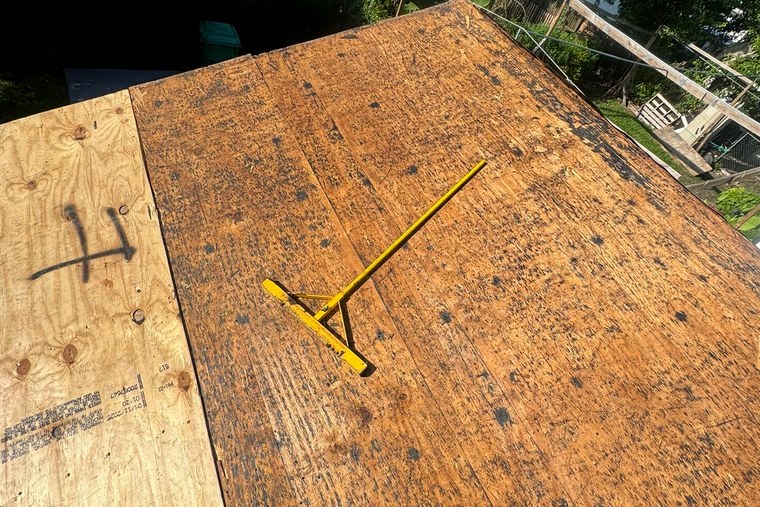
Roofs rarely fail in the field of the shingle. They fail at penetrations, valleys and wall intersections. We detail the flashing at chimneys, skylights, vents and sidewalls, replace cracked or short valley metal rather than sealing over it, and use a self-adhering underlayment at the eaves and valleys where water backs up. Where the deck has soft spots we open it and show you before we replace it.
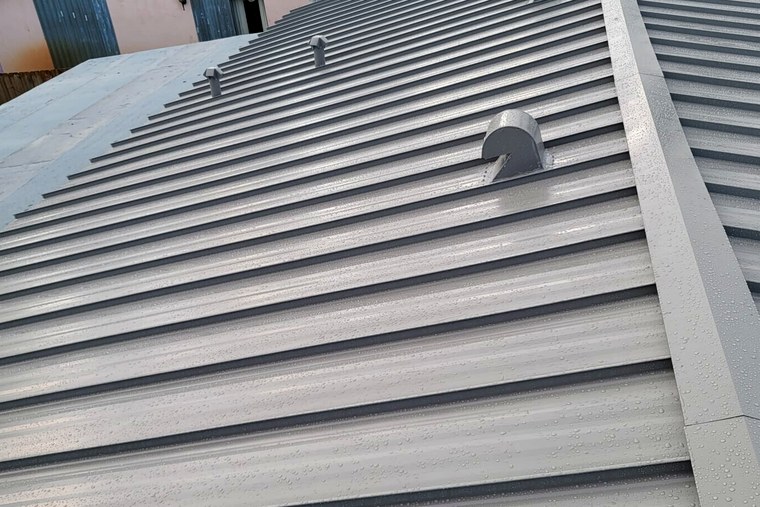
A reflective roof over an unventilated attic still traps heat. Ridge, static and turbine ventilation sized to the attic volume, intake at the eaves so there is somewhere for the air to come from, and radiant barrier where the deck is already open and the cost of adding it is close to nothing. If your ducts run through that attic, this is the moment we test them, because a leaking duct in a hot attic is one of the most expensive problems a house can have and one of the cheapest to fix while we are up there.
Not meaningfully in Los Angeles. Field measurement in California has found a small heating benefit alongside the cooling one, because a cooler attic loses less heat through leaky ducts.
No. Reflective pigments now hit the required SRI in mid and dark tones, including tile and architectural shingle in browns and greys. We will show you the actual rated colours rather than telling you the choice is white or nothing.
A straightforward single-storey shingle reroof is typically two to four days. Tile takes longer, and deck repair adds time we cannot know about until the old roof is off. We tell you the moment we find it rather than at the end.
Water heating is the biggest gas line in a California home. Get that right and you have moved more money than most people move with windows.
Learn moreA reflective ceramic coating up to 20 times thicker than paint. It waterproofs the wall, reflects heat instead of absorbing it, and ends the repaint cycle.
Learn moreDual-pane Low-E glass that cuts afternoon heat gain, glare and street noise. LADWP pays $2 a square foot, and we will be straight with you about the payback.
Learn more