

Roofing
A roof in Los Angeles is a heat decision as much as a water one. A reflective surface runs far cooler, and LADWP pays a rebate on it.
Learn more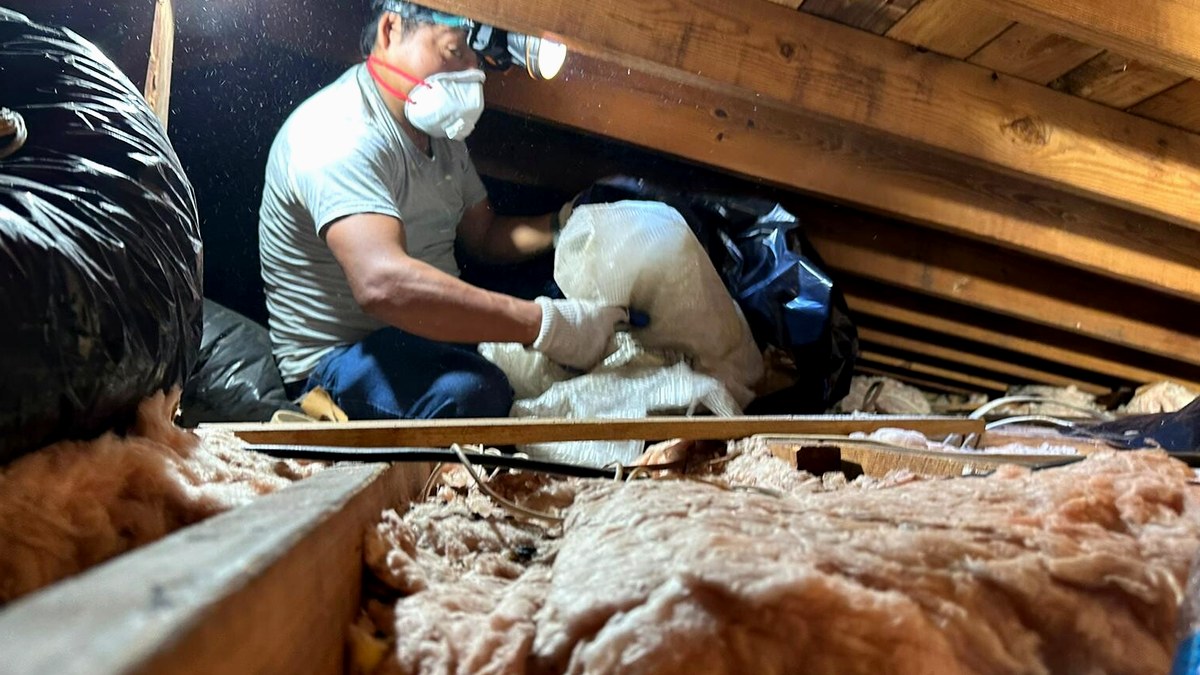
If you asked us to spend one thousand dollars of your money to lower your bill and gave us no other instruction, this is where it would go. Most Los Angeles attics were insulated to a standard set decades ago, if they were insulated at all, and the ceiling below is full of unsealed holes: can lights, top plates, plumbing stacks, the hatch itself. Insulation laid over an unsealed ceiling underperforms badly, because you have put a sweater over a house with the windows open. The sealing comes first, always.
Cheap, invisible, and the measure with the best return in this climate. It is also the one most often done in the wrong order.
For our climate zone, ENERGY STAR puts air sealing plus attic insulation at about 14% of heating and cooling energy, or 8% of total home energy. The recommended depth for an uninsulated Los Angeles attic is R-49, or R-38 where three to four inches are already present.
A typical duct system loses 20 to 30% of the air moving through it, and most Los Angeles ducts run through the attic. Sealing them while we are up there is the cheapest access anyone will ever have to them.
LADWP pays $0.50 per square foot for insulation above R-19, or $0.30 per square foot at R-19 or below. The home has to have air conditioning, and it is one rebate per residence every fifteen years.
Two things worth knowing before you call anyone. First, the LADWP attic insulation rebate is written for batt and roll, not blown-in, so if the rebate matters to you it changes the material and we will say so at the estimate rather than after. Second, anyone who quotes you insulation without going up there and without mentioning air sealing is selling you depth rather than performance. Ask them what they found around the can lights.
Works best with: Roofing HVAC & Air Conditioning Windows & Doors
Savings depend on your house, your equipment and how you use it. We will not quote you a guaranteed number, and neither should anyone else. See the rebates currently available
We seal at the top plates, around plumbing and electrical penetrations, at chimney and flue chases with the right non-combustible material, around recessed lights with covers rated for the fixture, and at the attic hatch itself, which is frequently the largest single hole in the ceiling of a house. This is unglamorous work that nobody will ever see and it is the reason the insulation above it performs the way the label says it will.
Blown-in fibreglass or cellulose where coverage over an irregular ceiling matters, batt and roll where the rebate or the framing calls for it. We measure what is already there, tell you the existing R-value rather than guessing, and take it to R-38 or R-49 depending on what we find. We also keep insulation clear of anything that needs air, and we do not bury a junction box or a fixture that is not rated to be covered.
Attic ventilation sized to the space with intake at the eaves, because an attic that cannot exhaust holds heat against your ceiling all evening. Radiant barrier where it makes sense. And duct testing while we are up there, because in older Valley homes we routinely find leakage at the top of the published range, running through an attic at 140°F. Fixing that at the same visit costs a fraction of what it costs as its own job.
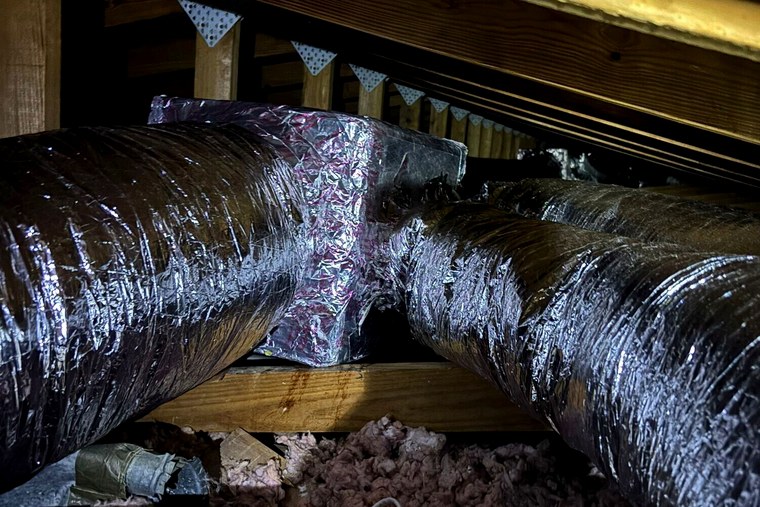
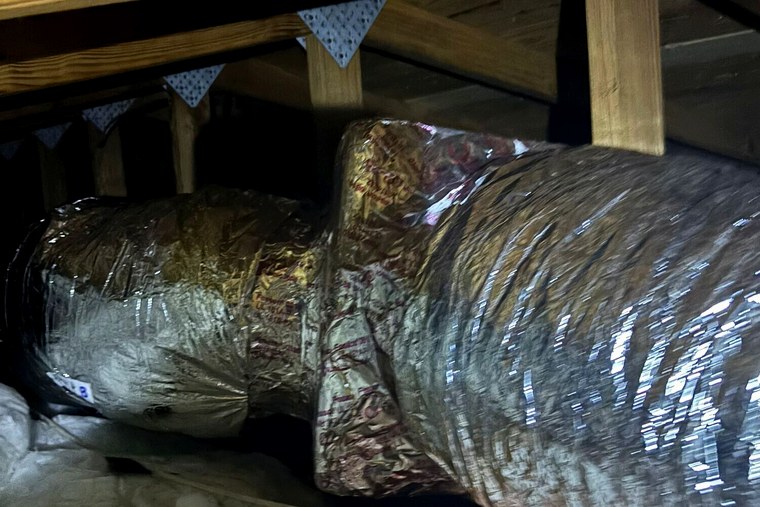
Look in the attic. If you can see the tops of the ceiling joists, you are well under current recommendations. Rooms that are hot upstairs and cool downstairs, and an air conditioner that runs long into the evening, are the other two signs. We measure and photograph what is there before quoting.
Blown-in covers an irregular ceiling better and is faster. Batt and roll is what the LADWP rebate is written for. If you want the rebate the answer is batts, and we will tell you that up front so it is your decision rather than a surprise.
No, they are separate jobs and separate rebates. The attic is the cheaper half and usually the better first dollar. If the roof is being replaced anyway, doing both at once saves you a mobilisation and gives us open-deck access for a radiant barrier.
A roof in Los Angeles is a heat decision as much as a water one. A reflective surface runs far cooler, and LADWP pays a rebate on it.
Learn moreWater heating is the biggest gas line in a California home. Get that right and you have moved more money than most people move with windows.
Learn moreA reflective ceramic coating up to 20 times thicker than paint. It waterproofs the wall, reflects heat instead of absorbing it, and ends the repaint cycle.
Learn more